

For the first time in years, the mobile search trend is showing signs of stagnation or decline in click-through performance — even as overall mobile usage continues to grow. This isn’t just a blip; it reflects a deeper shift in how users interact with search engines and how SEO must adapt to survive.
In this article, we explore why mobile search traffic appears to be declining, how the rise of zero-click searches is affecting organic visibility, and what brands need to do to remain competitive in the evolving search landscape of 2026.
Mobile Search Traffic: What’s Really Happening?
Mobile has dominated web search for over a decade, thanks to the convenience of smartphones and fast mobile networks. But recent data shows a noticeable decline in actual click-throughs from mobile results — a trend that’s unsettling both marketers and publishers.
While total impressions may still be stable or growing, clicks — especially on organic listings — are weakening. Marketing intelligence firms have reported that a significant portion of search interactions now end without users visiting a website at all.
This is especially true on mobile devices, where users tend to prefer immediate answers without scrolling or clicking further — a key aspect of the mobile search trend we’re seeing in 2025-2026.
Why Mobile Search Clicks Are Declining
1. Zero-Click Searches Are Dominating Mobile
In 2025, studies show that around 60% of all searches end without a click, largely because users find what they need directly on the search results page. On mobile, this figure climbs even higher — with some reports indicating that up to 77% of mobile searches result in zero clicks.
This dramatic rise in zero-click behavior means fewer users ever navigate to external websites — even if those sites rank highly.
Key drivers of zero-click behavior include:
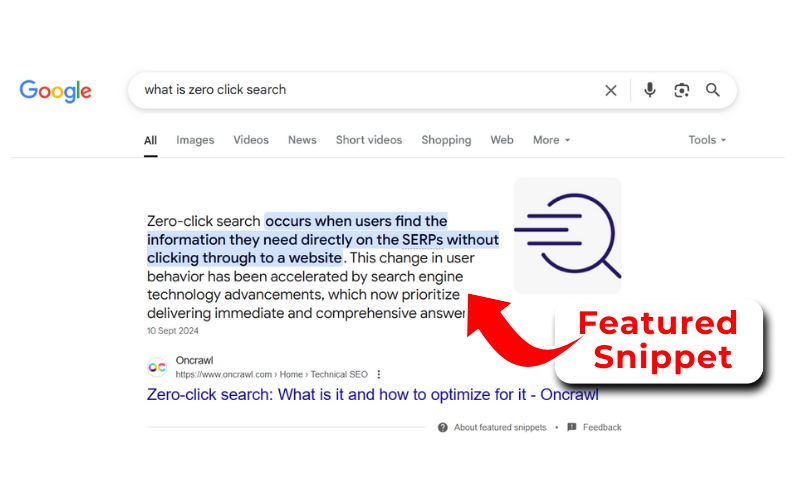
- Featured snippets that provide instant answers
- Knowledge panels
- Local packs with phone, address, and map info
- AI-generated overviews and summaries
- Answer boxes and People Also Ask (PAA) expansions
These elements serve users fast — but they also reduce the opportunity for traditional organic clicks.

Mobile Search Trend vs Zero-Click Impacts
| Metric | What It Used To Be | What It Looks Like Now |
| Percentage of searches ending in click | Majority | ~40% or less Predictable Growth Agency |
| Mobile zero-click rate | Lower than desktop | ~77% Up And Social |
| Featured snippet prevalence | Moderate | High (featured & instant answers) SEO Sandwich |
| Organic site visits from mobile | Growing steadily | Plateauing or declining Predictable Growth Agency |
| User expectations | Exploration | Instant answers SEO Sandwich |
Organic Traffic Before & After Zero-Click Trend Shift
A U.S. media publisher tracked performance across 2024–2025. After mobile-optimized publishing and strong SEO tactics, the site had experienced consistent year-over-year growth in impressions and clicks. However, following the rollout of AI-generated SERP features and enhanced mobile snippets, the publisher saw:
Before (early 2024):
- Mobile organic clicks: 2.3B visits/month
- Mobile CTR: ~30%
- Zero-click share: ~56%
After (mid-2025):
- Mobile organic clicks: 1.7B visits/month
- Mobile CTR: ~23%
- Zero-click share: ~69% New York Post
While total mobile impressions remained high, actual clicks — the lifeblood of site engagement and conversions — dropped significantly. This illustrates how a mobile search trend dominated by zero-click behavior can materially impact traffic, even for well-optimized properties.
Changing User Intent and Mobile Behavior
Part of the decline also reflects how users now approach mobile search differently:
- Users increasingly treat SERPs as information endpoints.
- They expect immediate answers and minimal effort.
- Voice assistants and AI integrations encourage quick, concise results.
A separate analysis highlights that many mobile users spend just seconds on the results page before abandoning or refining their query when answers aren’t instantly obvious. SEO Sandwich
What This Means for SEO in 2026
The shift in mobile search behavior has major implications for SEO strategies:
🔹 Optimize for SERP Features
If users never click past Google’s results page, you need to own more of the search features:
- Featured snippets
- People Also Ask entries
- Knowledge panels
- Local packs
Capturing these can drive brand visibility even when clicks are declining.
🔹 Focus on Intent, Not Rankings
Traditional rankings matter less when users find answers instantly. Instead, your content must:
- Anticipate user questions
- Provide structured, concise answers
- Use rich snippets and schema
- Deliver value beyond what search déjà vu can provide
Search tools like SEMrush and Ahrefs now emphasize SERP feature performance and visibility within the results page — not just rank position.
🔹 Leverage Other Channels
With fewer mobile search clicks:
- Email marketing
- Social media engagement
- App experiences
become crucial parts of the digital funnel.
The Future of Mobile Search Isn’t Less Search — It’s Different Search
The mobile search trend isn’t disappearing. It’s shifting toward on-page answers, rich results, and AI-powered summaries. Users still search on their phones; they’re just less inclined to click through.
For businesses and publishers, this means:
- Rethinking what “traffic” means
- Prioritizing engagement beyond organic clicks
- Building content strategies that thrive even in zero-click landscapes
The mobile experience is no longer about finding a link — it’s about being the answer Google displays first.
From Declining Clicks to Changing Expectations
The mobile search trend doesn’t signal that users stopped searching — it signals that their expectations have fundamentally changed. As SERPs deliver faster answers, previews, and AI-generated summaries, the threshold for earning a click has become much higher. Users now evaluate value before they tap, not after.
This shift forces businesses to rethink what a “successful” mobile result looks like. It’s no longer enough to rank; the page must instantly justify its existence. Understanding this transition helps explain why mobile engagement is declining — and why experience, clarity, and trust now play a bigger role than raw visibility.
Mobile UX Is Now a Ranking Filter, Not an Enhancement
One overlooked factor in the mobile search trend is that user experience has effectively become a filtering layer, not just a ranking signal. On mobile, Google no longer rewards pages simply for relevance — it rewards pages that resolve intent with minimal friction. Slow load times, intrusive pop-ups, excessive scrolling, or unclear content hierarchy don’t just reduce engagement; they actively prevent clicks in the first place.
As zero-click behavior rises, users are subconsciously comparing the effort of clicking versus staying on the SERP. If the perceived cost of visiting a page feels higher than the value it promises, the click never happens. This means mobile SEO success now depends on predictability: clear titles, instant value propositions, and layouts that reassure users their time won’t be wasted.
Search Is Fragmenting — Mobile Is Just the First Signal
The decline in mobile clicks may be the earliest visible symptom of a larger shift: search behavior is fragmenting across platforms and interfaces. Users still “search,” but not always through traditional Google queries. They ask questions inside AI tools, social platforms, apps, and voice assistants — often receiving answers without ever seeing a classic results page.
In this context, the mobile search trend isn’t about less demand; it’s about distributed intent. Brands that rely exclusively on mobile organic clicks are exposed, while those that build authority across multiple touchpoints — search, AI citations, brand recall, and owned channels — are more resilient. Mobile search is no longer the center of the funnel; it’s one node in a much wider decision ecosystem.
How Chapters Digital Solutions Helps?
As mobile search declines and zero-click behavior reshapes SEO, ranking alone is no longer enough. Brands need strategies built around real user behavior, SERP visibility, and measurable business impact.
At Chapters Digital Solutions, we help businesses adapt to the mobile search trend by designing SEO strategies that go beyond traffic numbers — focusing on authority gaps, SERP ownership, and conversion-driven experiences. From diagnosing zero-click risks to aligning content with how users actually search in 2026, we turn visibility into sustainable growth.
If your SEO performance feels stagnant despite strong rankings, it’s time to rethink the strategy.
👉 Talk to Chapters Digital Solutions and build an SEO approach designed for where search is going — not where it used to be.
Trusted Sources & Further Reading
Here are key references that informed this analysis:
- Zero-click search trends and statistics (2025 data) Predictable Growth Agency
- Breakdown of mobile vs desktop zero-click rates Up And Social
- Mobile search and SERP feature impacts on organic traffic SEO Sandwich
Report on AI Overviews increasing zero-click behavior New York Post