

اعلان ڤودافون رمضان ٢٠٢٦ – يا واحشني – رمضان فرصة ننور بعض
We’ve all been there, wanting to make plans with people we love, only to hesitate and make excuses when the time actually comes. Work, traffic, post-iftar heaviness, parental curfews, long distances. The list writes itself.
That’s exactly what Vodafone tapped into with their 2026 ad, “Ya Waheshni.” Instead of shaming you for it, they reframed it.
Ramadan advertising in Egypt has become more than seasonal marketing. It’s a cultural arena where brands compete through emotion, and attention is everything. This year, Vodafone stood out early because their ad was built on two things: relatability and surprise. And the surprise had a name: Abla Kamel.
Relatable Insight: Real Barriers, Higher Priorities
The Excuse We All Know by Heart
Work. Traffic. Post-iftar heaviness. Parental curfews. Long distances. The ad builds a catalog of every reason you’ve given, or received, for not showing up. Each one lands because it’s true. And because we all know, somewhere deep inside, that it’s also a little bit of an excuse.
The ad doesn’t dismiss any of it. It doesn’t tell you your excuses are fake. It simply reminds you that the value of showing up is greater than the inconvenience of the excuse.
Watch Vodafone’s Ramadan 2026 Ad for yourself:
The Chorus: The Catchy Tune That Carries Everything
The chorus is simple. Almost too simple. “يا واحشني… لو ايه حايشني… أنا برضو أجيلك… ده رمضان بينور بيك.”: I miss you, life is getting in the way, but I’m coming anyway.
You don’t need to analyze the song. You just need to hear it once and it’s already in your head. By the third time it plays, you’re not just listening to a song anymore. You’re thinking about someone specific.
And then, just as the song settles in, the ad pulls something nobody saw coming.
The Part Nobody Expected: Abla Kamel
Then comes the surprise: Abla Kamel.
For years, she stepped back from the spotlight. A figure so deeply woven into Egyptians collective memory.
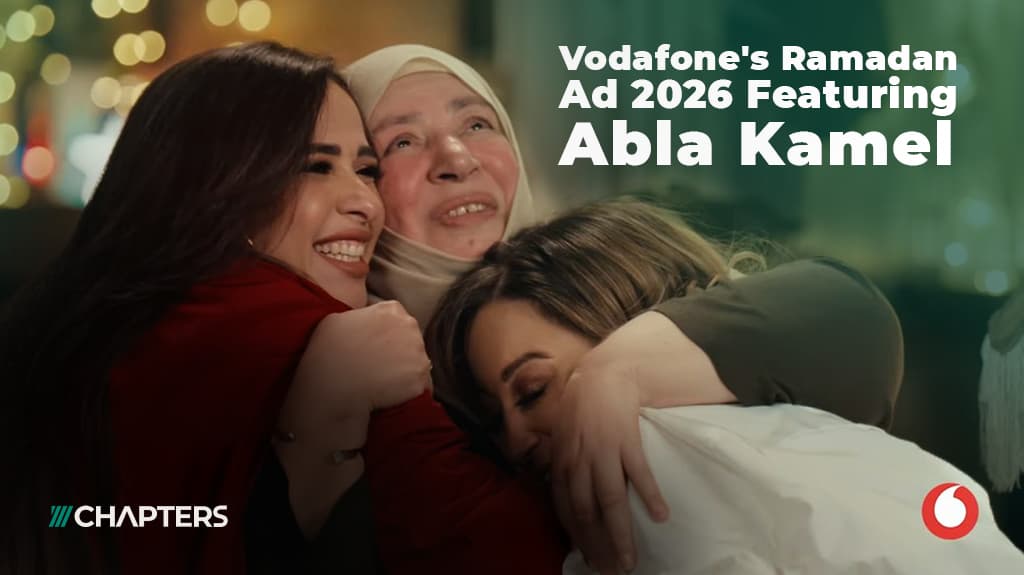
She appears sitting at home. Smiling. Yasmin Abdelaziz and Menna Shalaby visit her, and the scene is nothing but chats and laughter.
That’s it. That’s the scene. But what it triggers isn’t as simple, because she’s not just a cameo. She’s a symbol. Abla Kamel feels like someone we know personally, but she also represents someone we might actually have in our lives. The relative who moved away. The old friend we haven’t seen in years. The people we assume have probably moved on, but we still love them and think about them more than we admit.
The ad’s message in that moment is simple: they haven’t moved on. They’re home. All you need to do is reach out.
Ramadan as a Social Reset
The ad hints to how consumed we’ve become by modern life, but it doesn’t necessarily condemn it. It acknowledges that endless professional cycles, digital communication replacing physical presence, and comfort-driven routines are all real. Ramadan interrupts that rhythm. It doesn’t demand perfection. It just invites you to make the effort, to show up once when you normally wouldn’t, and let the people you love know that they outweigh the inconvenience.
The message isn’t “stop being busy.” It’s “make the effort to connect anyways.”
Brand Positioning: Presence Over Promotion
Vodafone doesn’t push offers or packages within the narrative. Outside of some subtle phone call moments, signs on the street, and Vodafone’s logo, you could almost forget who made the ad. And that’s the point. The brand positions itself not as a telecom provider, but as a facilitator, and an embodiment of meaningful connection. It’s not selling connectivity. It’s encouraging it.
The Surprise Factor from A Marketing Standpoint
There’s a second layer to how successful this ad is from a marketing standpoint, and it has everything to do with Abla Kamel.
Having her do a cameo wasn’t an emotional decision. It was a calculated one. When someone who has been away from the spotlight for years suddenly appears in a Ramadan ad, people talk about it. They send it to each other. They post it. They engage with it in every way possible.
That shock factor creates a life for the ad beyond the screen, in group chats, on social media, at the iftar table. And that kind of word-of-mouth is something no media budget can simply buy.
Abla Kamel’s appearance also gave the ad a built-in trending moment. In an era where brands desperately chase virality through gimmicks, Vodafone earned it by making a choice that felt genuinely surprising. The surprise didn’t feel manufactured. It felt like the ad actually meant it. And crucially, it didn’t overdo it either.
She served the story emotionally, and she served the brand commercially. Two birds, one well-timed appearance. A masterclass in what a successful marketing campaign in Ramadan should look like.
What Can We Learn From This Ad?
Here’s the thing about “Ya Waheshni”, it doesn’t let you stay a passive viewer. By the time it ends, your brain has already done the work. There’s a name. A face. Someone you’ve been meaning to visit, call, or check on. Someone who crossed your mind during one of those scenes because the excuse in the ad was your excuse, word for word.
That’s the real product Vodafone “sold” this Ramadan.
“يا واحشني.”
You miss them. They probably miss you. So go visit them, and forget about any excuse.