

Ramadan 2026 delivered what it always does in Egypt: songs, unexpected humor, and (at least) one ad you can’t escape for 30 days.
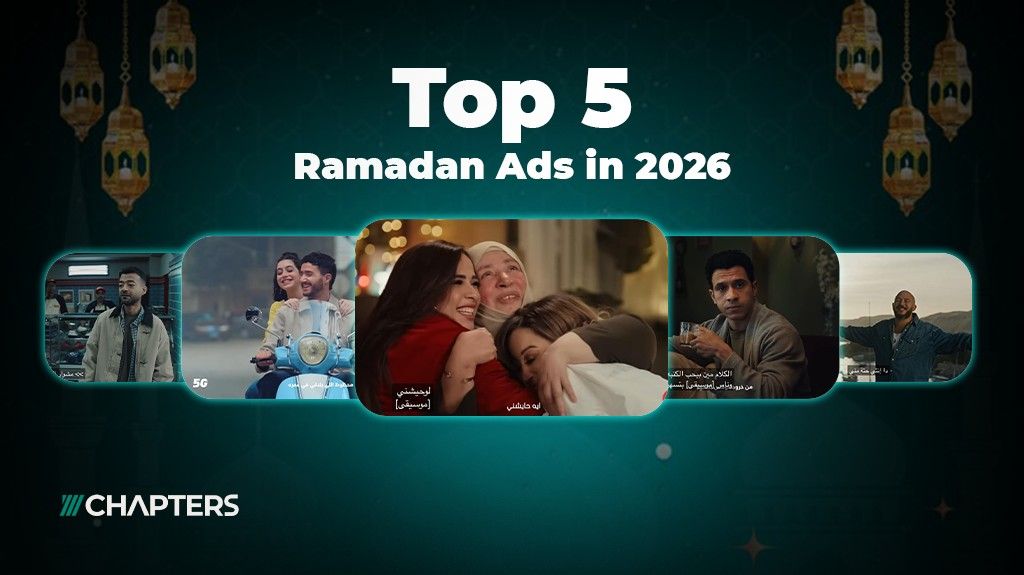
Here are the top 5 Ramadan Ads that truly stood out this year, whether for creativity, storytelling, virality, or pure vibes.
1) Vodafone Egypt – “Ya Waheshni”
YouTube Views: 151M
Theme: Showing up for the people you love, despite every excuse not to
This Year’s Vodafone Ramadan Ad leaned fully into Ramadan’s emotional core this year, but with a twist that most ads don’t have the honesty to pull off. Instead of pretending connection is easy, the ad acknowledges every reason you haven’t visited someone lately, work, traffic, post-iftar heaviness, parental curfews, long distances, and then dares you to go anyway.
The chorus says it all: “يا واحشني… لو ايه حايشني… أنا برضو أجيلك… ده رمضان بينور بيك.” Whatever’s in my way, I’m still coming.
Why it worked: a relatable insight, a catchy song, and one surprise nobody saw coming. Vodafone made a deliberate choice to lead with honesty rather than fantasy. Instead of painting connection as effortless, the ad acknowledged the obstacles: work, traffic, distance, exhaustion, and argued that the people you love are worth more than the inconvenience. That’s a more persuasive message than the usual telecom idealism because it meets the audience where they actually are.
But let’s be real, what really made this ad dominate conversations was its final scene. Abla Kamel, a figure who had been away from the spotlight for years. The surprise factor was real, and it made the ad trending across social media in a way no media budget can manufacture.
2) Wadi Degla Developments – “Meen Yadob”
YouTube Views: 14M
Theme: The humor and mild existential crisis of getting into your 30s
Wadi Degla went completely against the emotional grain of Ramadan advertising this year, and it paid off.
The ad follows a guy born in the 80s who is turning 32, and Maged ElKedwany is very eager to remind him of it. The song is a witty, self-aware jingle cataloging everything that comes with reaching that age: the back pains that appear out of nowhere, getting called “3amo” by people who are a few years younger than you, losing the ability to stay out late without consequences, and completely losing the plot when it comes to whatever younger people are doing these days.
And then there’s the family. Waiting to “get happy for you”, that very Egyptian way of saying they are ready and willing to attend your wedding, preferably soon… or now.
The brand promotes their offering at the end: Wadi Degla Developments waiting for him to finally get his own place, since, well, he’s not getting any younger.
Why it worked: Real estate marketing has a recurring problem: it tends to feel generic, and can feel pretensious at times. Wadi Degla solved that by narrowing their focus to a very specific audience, Egyptian millennials in their early thirties, and speaking to them in a humorous tone rather than listing the benefits of living in their compound through a generic song.
3) Remas Land – “The Last Remas”
YouTube Views: 1.3M
Theme: A tragedy in the cheese aisle
This one is pure absurd tragedy, and honestly one of the most entertaining ads of Ramadan 2026.
A man stands in line at the supermarket, waiting patiently at the cheese section. He asks for Remas. The answer? Sorry, the last one was just taken by the customer over there.
What follows is a full emotional breakdown, delivered with the intensity of someone who has lost something far more significant than cheese. He turns around, devastated, and begins lamenting every decision that led him to this moment. The bread he brought. The money he handed to the cashier. The line he waited in. Even the olives he bought for 5 pounds (which, to be fair, is a suspicious price for olives). All of it, wasted. He stands in front of the refrigerator fridges, genuinely grieving, in the middle of a supermarket.
At the end, the customer who took the last Remas turns around and gives it to him.
The slogan closes it out: Remas Land… unforgettable.
Why it worked: The melodramatic song that turns a small everyday frustration into a tragedy of theatrical scale. Remas Land put their product at the center of the narrative rather than the periphery. The entire conflict, the breakdown, the resolution, all of it exists because of Remas. That level of product centrality is hard to pull off without feeling forced, and the comedy is what makes it land. Because the situation is absurd and funny, the audience accepts the product as the hero without feeling sold to.
4) WE Telecom Egypt – “Everyday is the best day”
YouTube Views: 141M
Theme: Choosing the people who matter
WE took the classic Ramadan route this year, a warm, melodic song built around the idea of choice and the people you’d always choose. Scenes of family support, familiar relationships, falling in love, the bonds that hold. The song is comfortable, it’s sincere, and it does exactly what it aims for.
Why it worked: WE played it safe, and from a marketing standpoint that’s a legitimate strategy. The song is easy to sit with and emotionally safe, and sometimes that’s enough. Not every brand needs to chase virality. The message around loyalty and choice aligns naturally with their brand positioning, and the song gives it enough recall to linger.
5) Ministry of Health – “Health Bills”
YouTube Views: 5.7M
Theme: What costs you money today, costs you your health tomorrow
Ministry of Health releases one of the most fun Ramadan ads of the season. A woman sits at a restaurant table. She orders. Then orders again. The table fills up, she keeps going, and the waiter keeps delivering. Then the coat appears. Same man, different role, and suddenly he’s walking her through exactly what that table is about to cost her, with face, with the kind of energy that makes it impossible to look away.
Why it worked: Government health campaigns can sometimes lean into being very informational. This one chose a creative route instead. The Ministry of Health didn’t stand outside the behavior and warn against it, they built the ad from around a situation that feels very familiar.
That’s a sharp creative instinct and a very relatable insight, rarely seen from institutional advertising. The humor isn’t decoration, it’s the delivery mechanism for the message, which means the audience receives the point without feeling targeted.
Honorable Mention: Obour land – “Eating Bread Is Not Bitter”
YouTube Views: 242K
Theme: Melodrama meets cheese (again)
The setup is completely ordinary. A family sitting together watching TV, a brother walks in late, they ask why was he late. He replies with the age old saying:”eating bread is bitter”.
A reasonable response would be sympathy…but Amir Karara had other plans.
His face shifts. The leather jacket tightens. And he launches into a full melodramatic rant about how this saying is completely wrong, how whoever said it clearly never tried Obour land, and how bitterness simply has no place when it comes to cheese. All of this, directed at his brother, who probably just wanted to sit down after a long day.
The comedic genius of the ad is the juxtaposition: a completely normal family moment, hijacked by one, leather jacket-wearing man and his deep relationship with cheese.
Why it worked: Obour land benefited from a strong comedic contrast that made the ad inherently shareable. The setup is completely ordinary – a family, a tired brother, an offhand comment – which makes Amir Karara’s dramatic overreaction land harder. The gap between the situation and the response is where the humor lives, and humor is one of the most reliable drivers of organic sharing.
From a brand standpoint, the ad also achieves strong product linkage. The entire rant is anchored to Obour land, the product isn’t just present, it’s the reason for the reaction. That kind of emotional association, even a comedic one, builds brand recall effectively. People remember the ad, and they remember what it was for.
Ramadan 2026 had its creative risks and its safe plays. Some brands took genuine risky choices and it showed. Others showed up, did what was expected, and blended into the background. The variety is telling, in a season where everyone is competing for the same audience, playing it safe is its own kind of risk.